
A step-by-step emergency plan for chick trucks when cooling or ventilation fails, covering backup power options and the actions that protect the load.

A step-by-step emergency plan for chick trucks when cooling or ventilation fails, covering backup power options and the actions that protect the load.
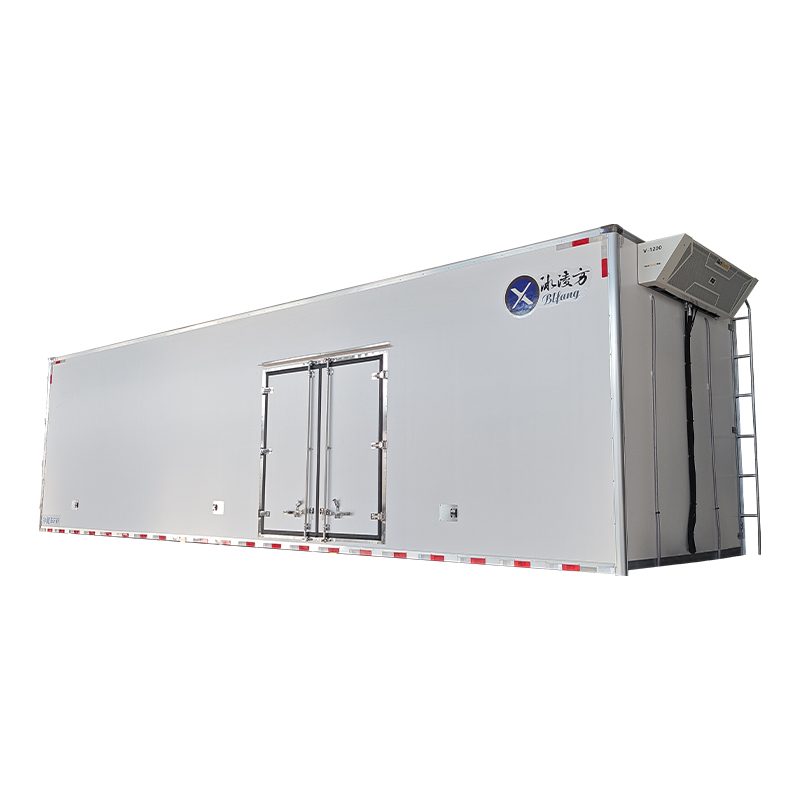
Core, thickness, bonding, sealing, weight in kilograms: the five items that make two refrigerated body quotations comparable.
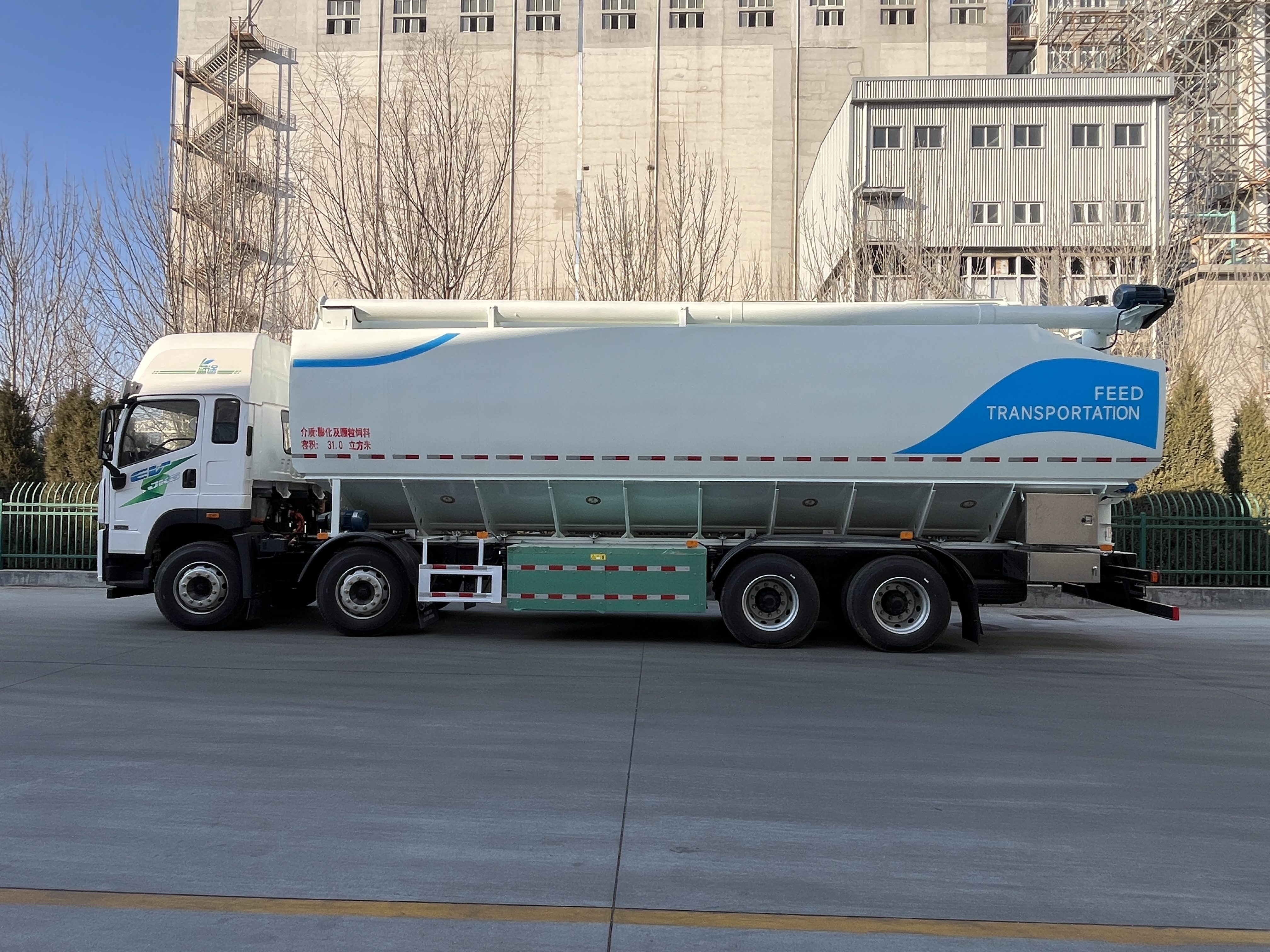
Moisture and particle size decide how feed flows out of a bulk body. Understand the physics and adjust handling before flow problems start.
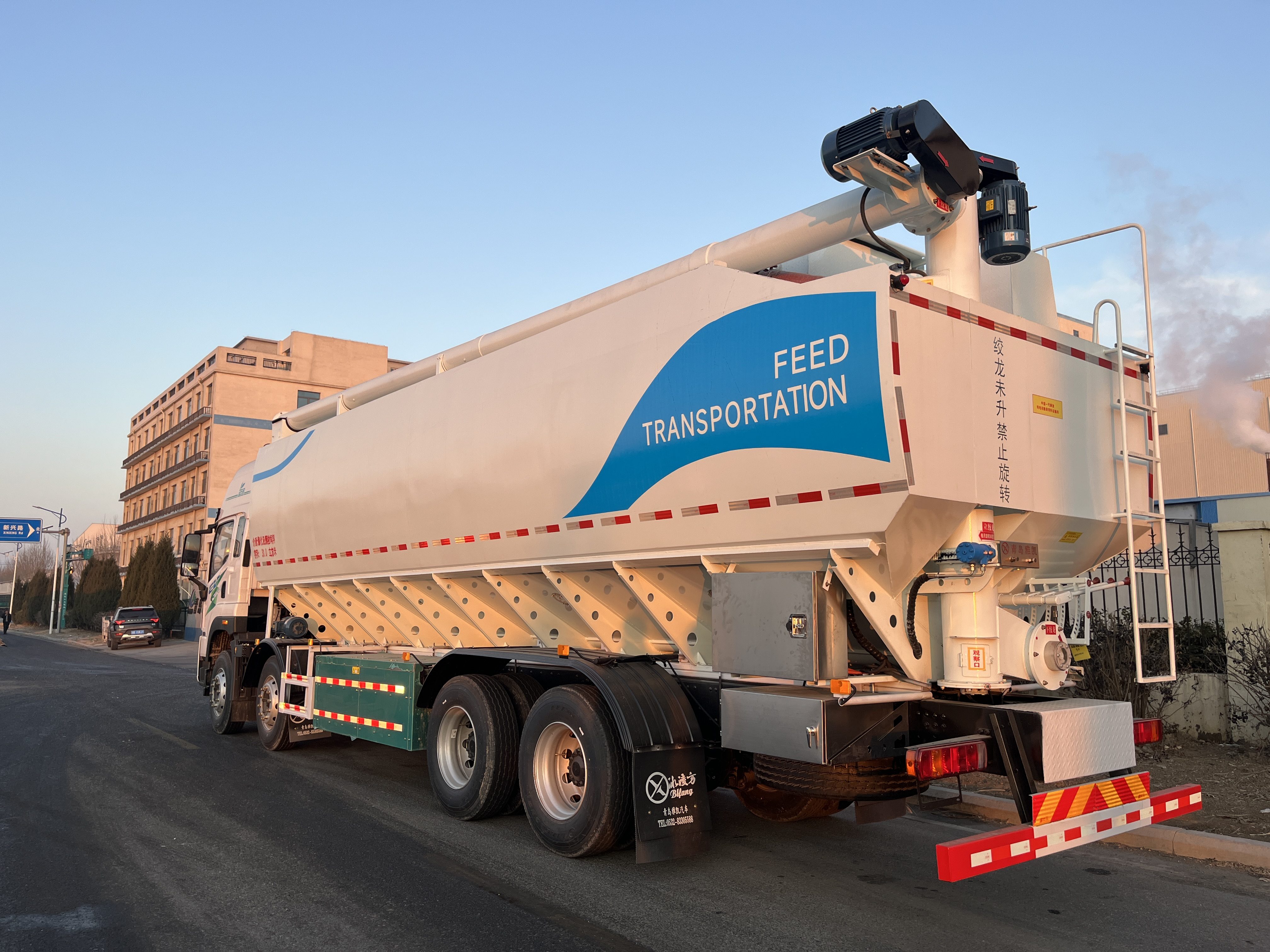
Bridging and blockages usually trace back to moisture, fines, hopper geometry or compaction. Here is how to prevent them and clear them safely.
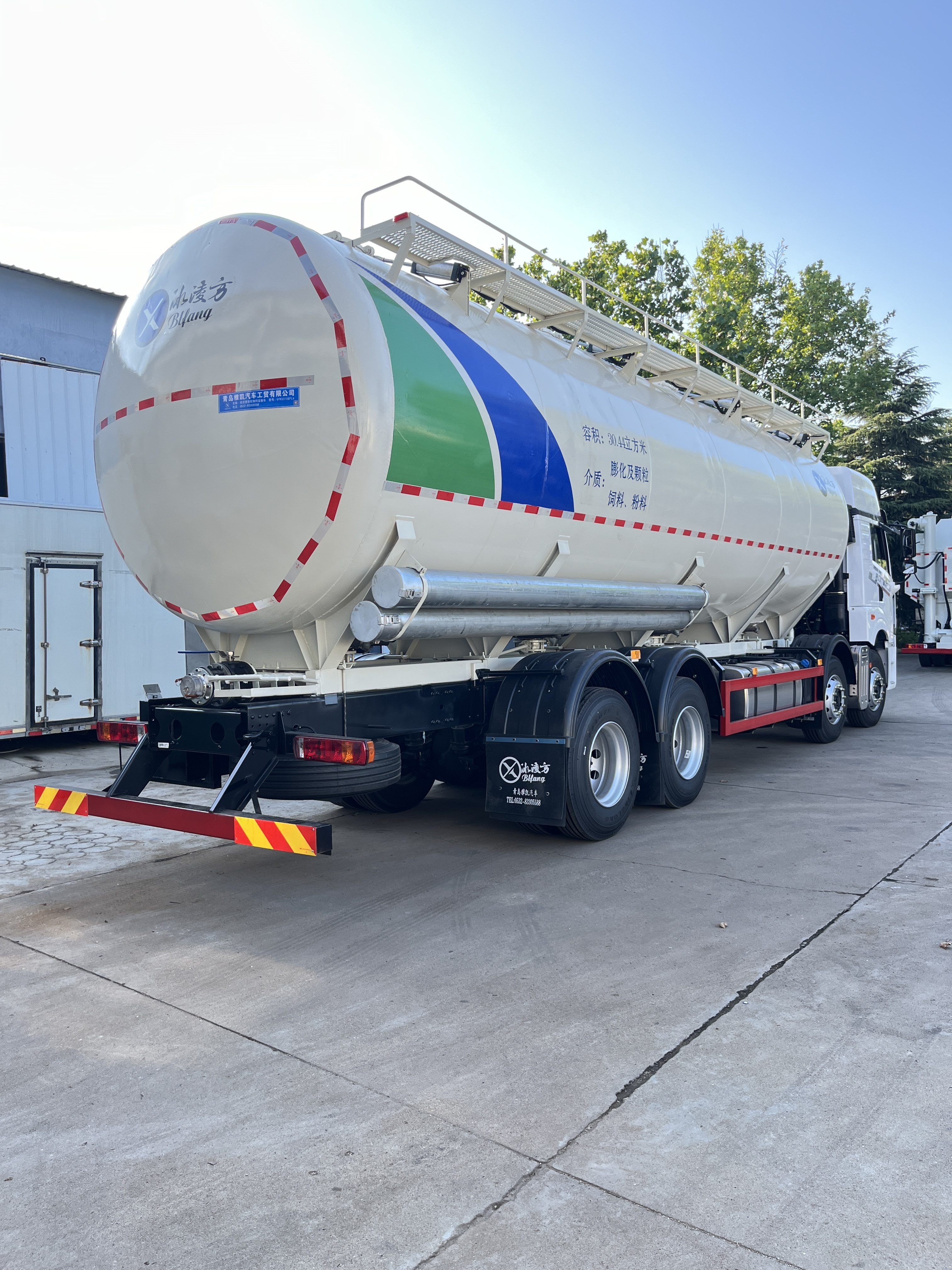
Steel, aluminum and stainless each change payload, corrosion life and cleaning effort on a feed body. Here is how to pick for your feed types.
Good feed delivery planning starts at the farm gate, not the depot. Sequence stops by access, bin position and ration order to cut trips per day.
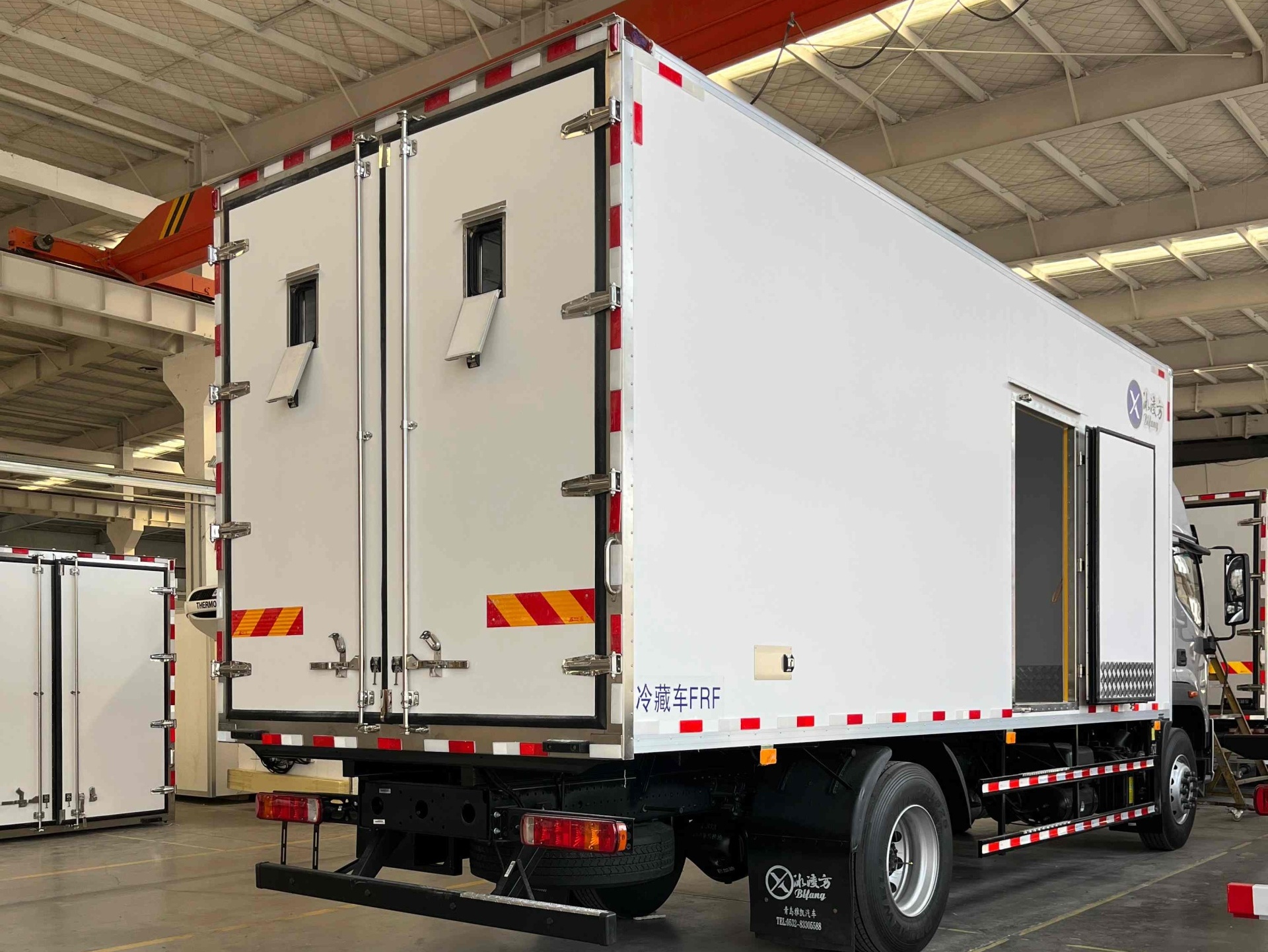
A repeatable eight-step cleaning routine for refrigerated food bodies, from emptying and pre-rinse to disinfection, drying and records.
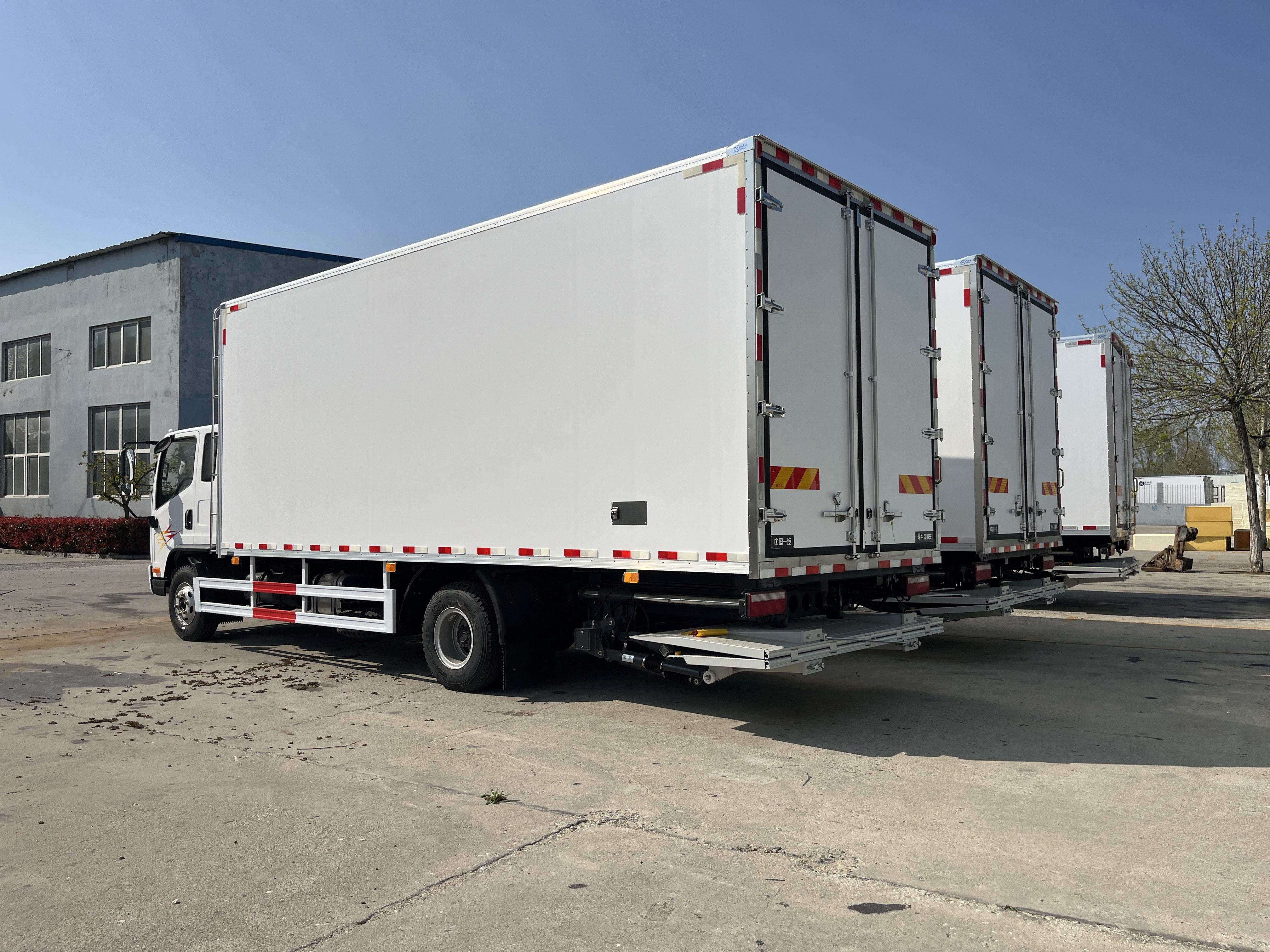
Moisture is the enemy: how gaskets, floor channels, defrost cycles and loading habits keep a refrigerated body dry and efficient.
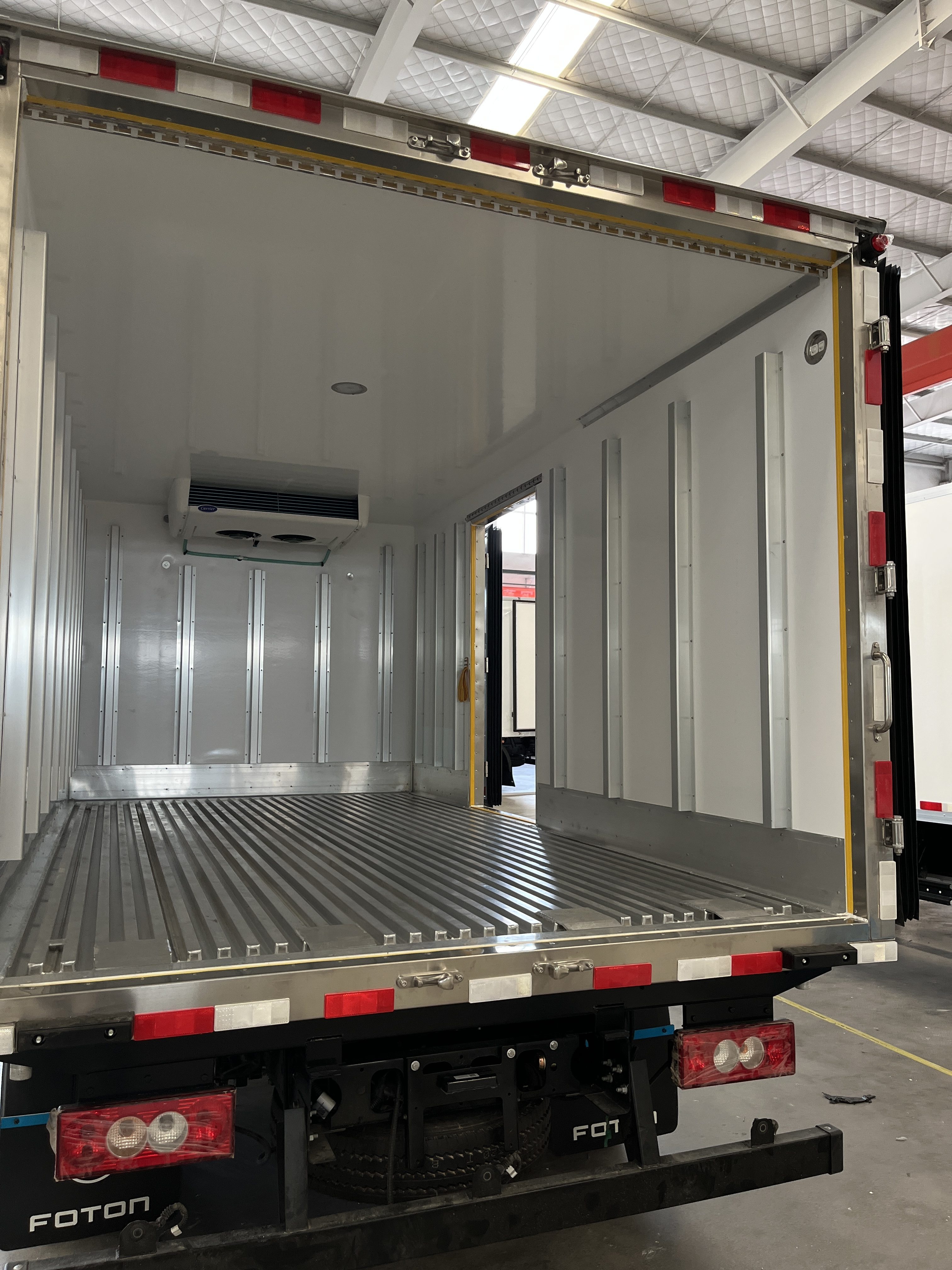
Temperature control, records, redundancy and cleanable surfaces: what to specify when the cargo is medicine, not food.
Scan the QR code with WeChat

WeChat ID: lengcangcheX
No products in inquiry cart.