
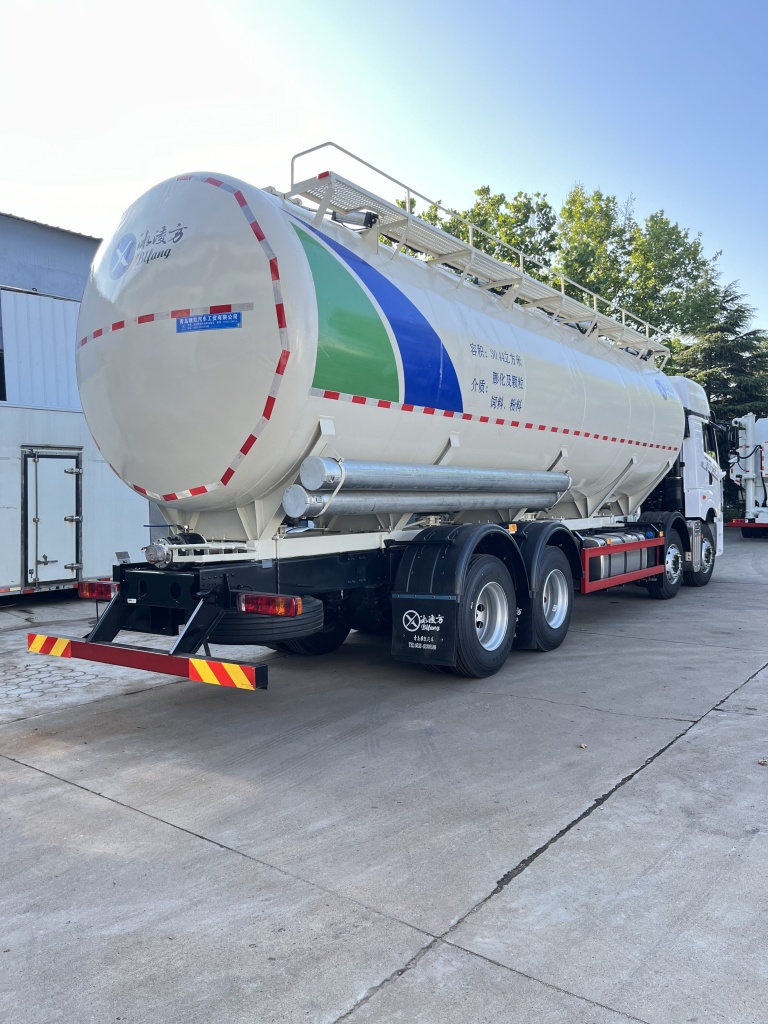
Bulk Feed Truck Body Materials: Steel, Aluminum and Stainless Compared
Bulk Feed Truck Body Materials: Steel, Aluminum and Stainless Compared
In short: Bulk feed truck bodies are built from carbon steel, aluminum, or stainless steel — and often a mix, with a stainless feed-contact surface inside a steel or aluminum shell. Carbon steel is the lowest-cost and heaviest choice, aluminum saves weight and resists rust, and stainless steel offers the strongest corrosion resistance and the cleanest feed-contact surface at the highest material cost. The right answer depends on your feed types, climate and payload target.


What Is a Bulk Feed Truck Body Material Choice?
The material choice is the decision about which metal forms the hopper walls, floor, baffles, hatches and discharge components of a bulk feed body. It is separate from the chassis choice, although it directly affects what the chassis can legally carry, because every kilogram of body structure is a kilogram of feed you cannot load.
Materials matter on three fronts. First, corrosion — feed is mildly acidic and often damp, so damp residue held against a wall will attack ordinary steel over time. Second, weight — a lighter body leaves more legal payload for feed. Third, the feed-contact surface — smoothness and cleanliness matter when you switch between recipes or handle medicated feed. In practice, many bodies are hybrids: a structural steel or aluminum shell with a stainless contact zone, or an aluminum body with stainless fasteners and fittings.
Key Facts at a Glance
- Carbon steel — lowest material cost, high strength, and the heaviest of the three; it needs coating or a lining on feed-contact surfaces to resist damp, acidic residue.
- Aluminum — roughly one third the density of steel, so an aluminum body is lighter for the same wall thickness; it forms a natural oxide layer that resists rust, and it does not spark.
- Stainless steel — the most corrosion-resistant option, with a hard, smooth feed-contact surface that cleans easily; it carries the highest material and fabrication cost.
- Hybrid builds — a common compromise is a steel or aluminum structure with stainless liner plates, hatches or discharge components in the areas feed touches longest.
- Interior finish — whatever the metal, interior welds should be ground smooth and corners rounded where feed can sit, because trapped residue is what starts corrosion and carryover.
- Fasteners and fittings — mixing metals can cause galvanic corrosion, so fasteners, hinges and latches are usually specified to suit the parent material.
Carbon Steel vs Aluminum vs Stainless Steel
- Weight — Carbon steel is the heaviest, so it leaves the least payload for feed; aluminum is roughly one third the density of steel and saves the most weight; stainless sits between them.
- Corrosion resistance — Carbon steel needs coating or lining and regular inspection; aluminum resists rust but can be affected by certain acids and salts; stainless resists the widest range of feed residues.
- Purchase cost — Carbon steel is the least expensive per kilogram of structure; aluminum costs more; stainless costs the most because of both material price and fabrication labour.
- Cleaning effort — Stainless cleans down fastest and holds the least residue; aluminum is close behind if surfaces are smooth; carbon steel demands more care where coatings wear through.
- Repair and fabrication — Carbon steel is easy for any workshop to weld and straighten; aluminum needs suitable welding skill and clean technique; stainless needs careful welding and passivation to keep corrosion resistance.
- Typical fit — Carbon steel suits dry, well-managed feeds and cost-sensitive fleets; aluminum suits operators chasing payload and working in wet climates; stainless suits medicated feed, frequent recipe changes, and corrosive coastal conditions.
Step-by-Step: How to Specify Body Materials
1. List the feeds you carry. Note moisture level, oil content, salt content and whether any are medicated — these drive corrosion and cleaning requirements more than anything else.
2. Calculate the payload you need. Compare the body's tare weight against your legal payload allowance, then decide whether weight savings justify a more expensive material.
3. Decide where feed contact really happens. Concentrate premium material — stainless liners, smooth plates, quality hatches — in the surfaces feed sits against, rather than across the entire body.
4. Check the climate and the wash-down routine. If trucks are washed regularly, or routes run through coastal or humid regions, corrosion resistance carries more weight in the decision.
5. Confirm the fasteners and fittings. Ask how the builder avoids mixed-metal contact at hinges, latches, ladder rungs and discharge hardware.
6. Review the interior finish. Look at weld dressing, corner radii, and whether the floor drains fully, because these details decide how easy the body is to clean in service.
FAQ
Q: Is stainless steel always the better choice?
A: No. Stainless offers the strongest corrosion resistance and cleanest feed contact, but it costs the most and weighs more than aluminum. For dry feeds in mild climates, a well-finished carbon steel or aluminum body can serve just as well for years.
Q: Why does body weight matter so much on a feed truck?
A: Because body weight is subtracted from the payload you may legally carry. A lighter body lets the same chassis deliver more feed per trip, which reduces the number of trips your routes require.
Q: Can I mix materials in one body?
A: Yes, and many builders do. A steel or aluminum shell with stainless contact surfaces, or stainless hatches and discharge parts, is a common way to control both cost and corrosion.
Q: How do I clean a carbon steel body to prevent rust?
A: Empty and sweep after each load, remove damp residue promptly, avoid leaving feed packed against walls, and inspect coatings or linings regularly so bare metal is recoated before rust starts.
Q: Does material choice affect feed safety?
A: It affects cleaning, and cleaning affects feed safety. Surfaces that release residue quickly and dry out fully are easier to sanitise between different recipes, which is why interior finish matters as much as the alloy.
Conclusion
There is no single material that wins on every count — carbon steel wins on cost, aluminum on weight, and stainless steel on corrosion resistance and cleanability. Most fleet operators end up with a hybrid that puts premium material where feed actually touches it. Binglingfang builds bulk feed bodies in the material combinations that suit a customer's feed types and routes, so it is worth stating your product mix and climate up front when you request a specification.
Bulk Feed Delivery Route Planning for Feed Mills and Distributors
Sep 24, 2026
Preventing Bridging and Blockages in Bulk Feed Hoppers
Sep 25, 2026
Related Articles
Author

Cybercoldchain
Content Writer
Recent Posts
-
GMP+ and FAMI-QS: Is Transport the Weak Link in Feed Safety?
Oct 31
-
Driver Shortages vs Delivery Windows: What Gives First?
Oct 31
-
Telematics for Bulk Feed: Is Bin-Level Data Worth the Investment?
Oct 31
-
Can Reefers Keep Up With 45°C+ Markets—or Do Specifications Need a Rethink?
Oct 31
-
The Hidden Cost of a Late Chick Delivery—Who Should Bear It?
Oct 31