
Switching feed types in one body carries residue and risk. Learn the clean-down sequence, the hot spots that hold feed, and medicated feed rules.
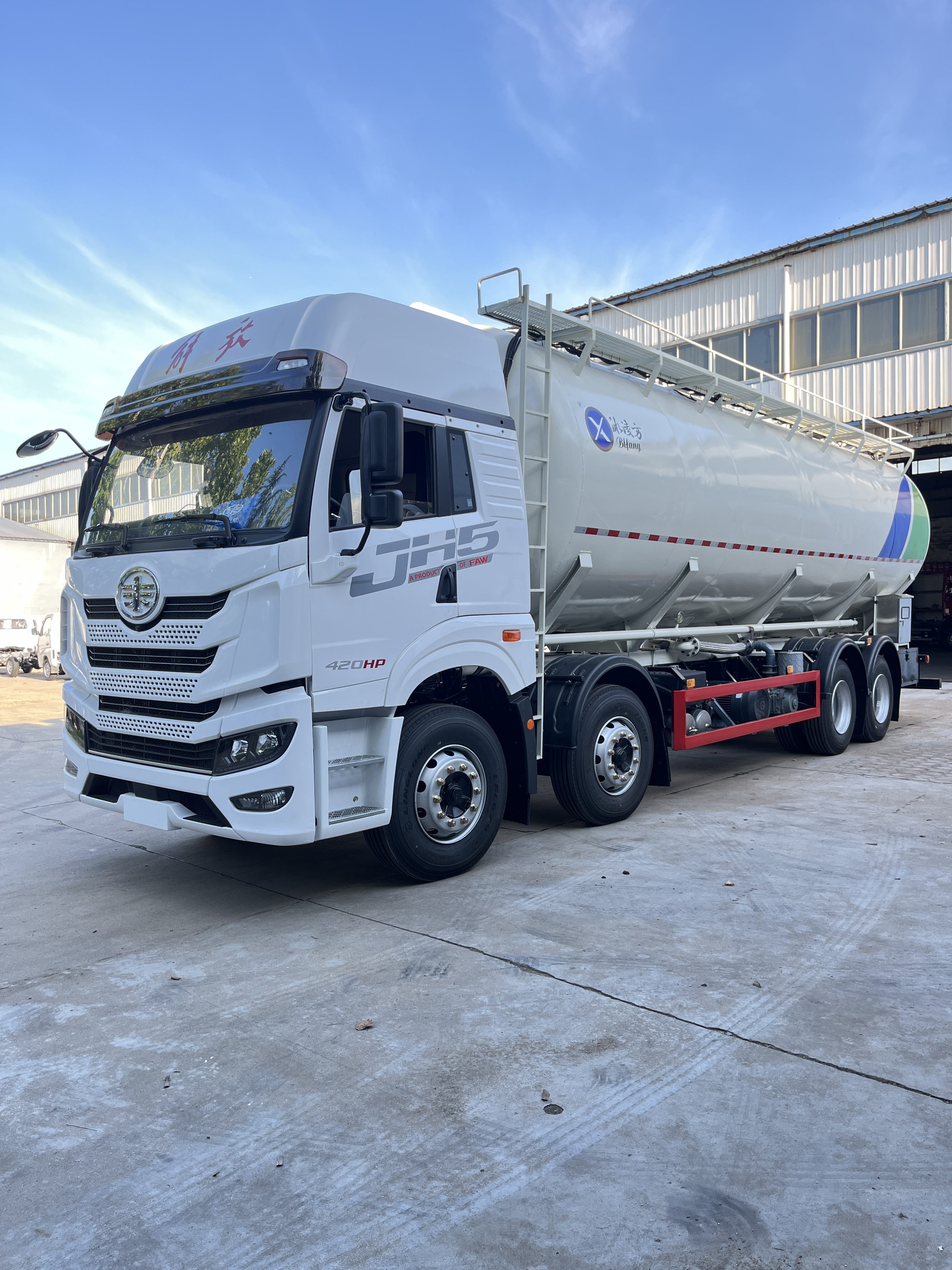
Switching feed types in one body carries residue and risk. Learn the clean-down sequence, the hot spots that hold feed, and medicated feed rules.
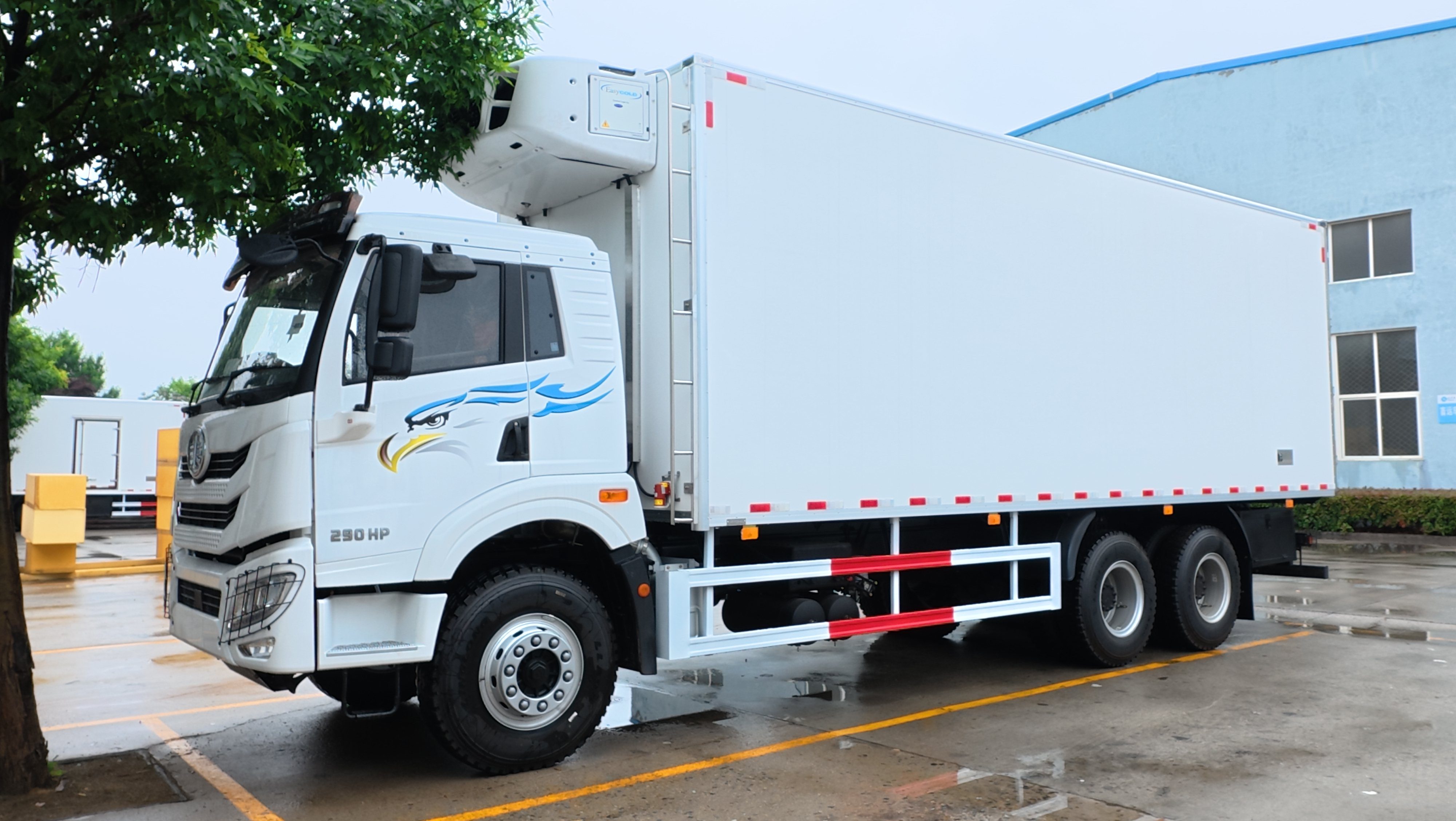
Temperature band, box volume, insulation quality, door openings and ambient heat: the five inputs that decide cooling unit sizing.
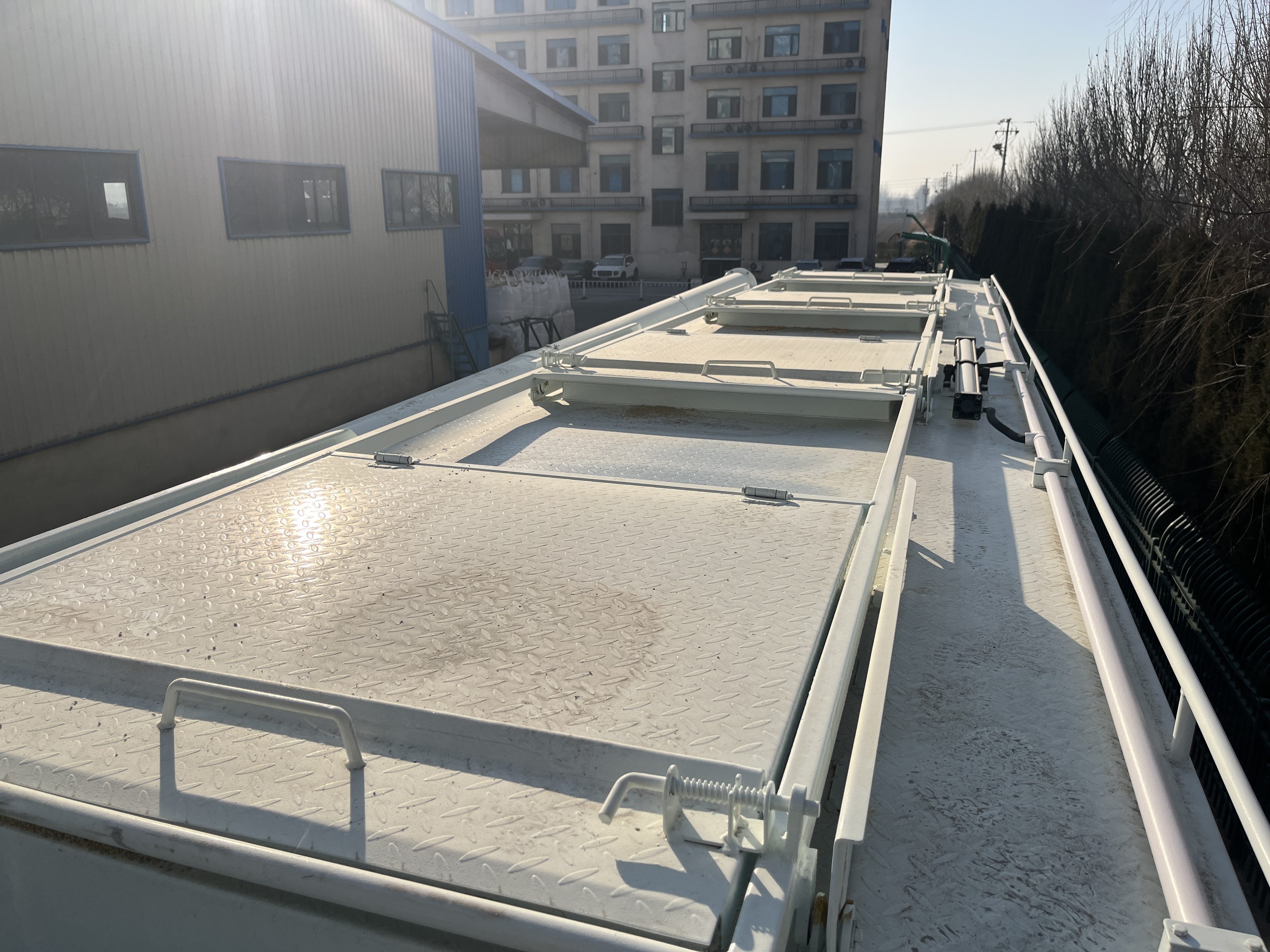
Multi-compartment feed bodies let one truck carry several rations. Learn how compartment count, outlets and dividers control mixing and delivery order.
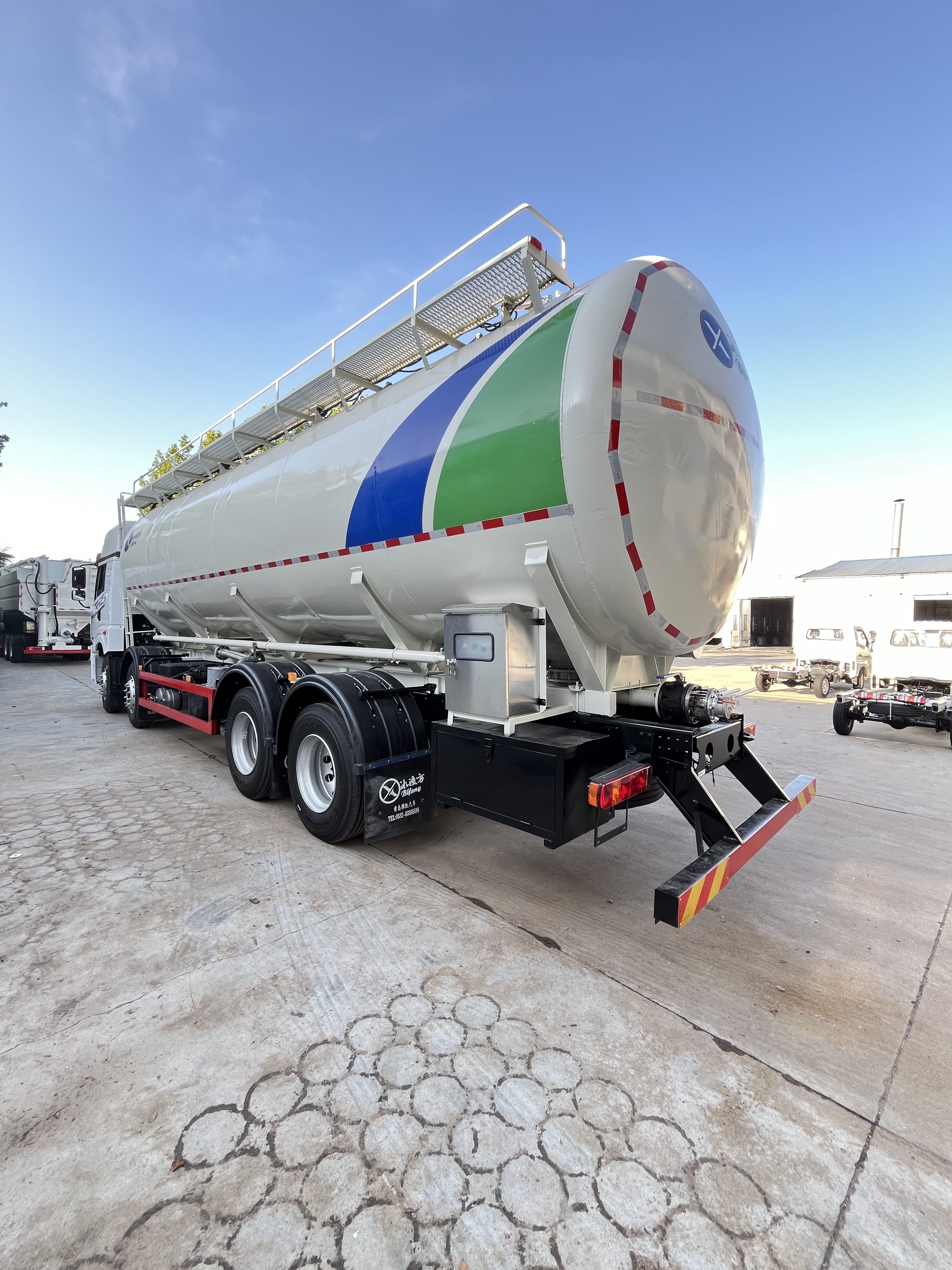
Pneumatic, auger and gravity discharge each suit different sites. Compare reach, cost, residue and maintenance before you specify a feed body.
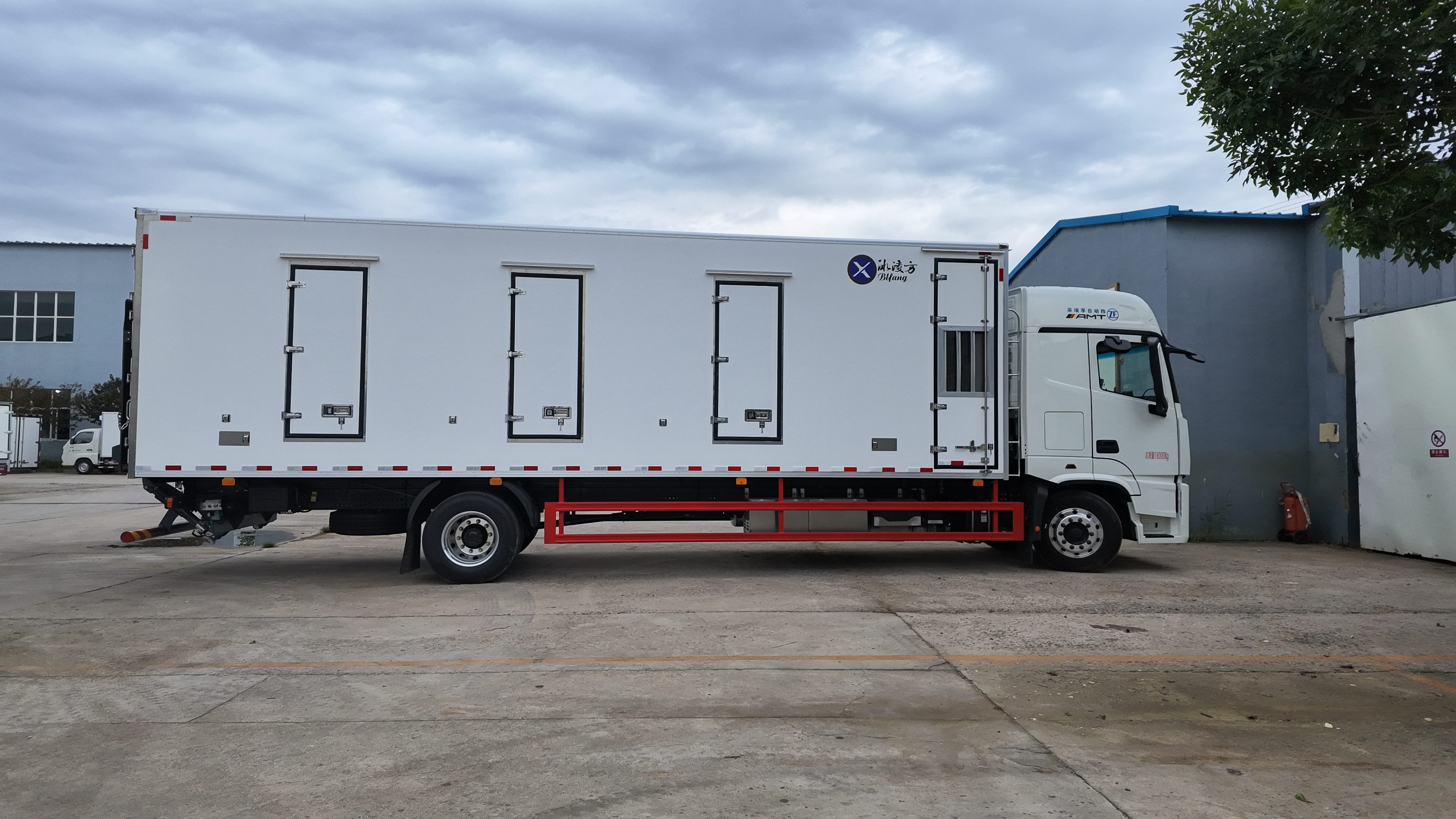
How to plan day-old chick transport routes: departure timing, road choice, planned stops, inspection points and arrival windows that protect the birds.
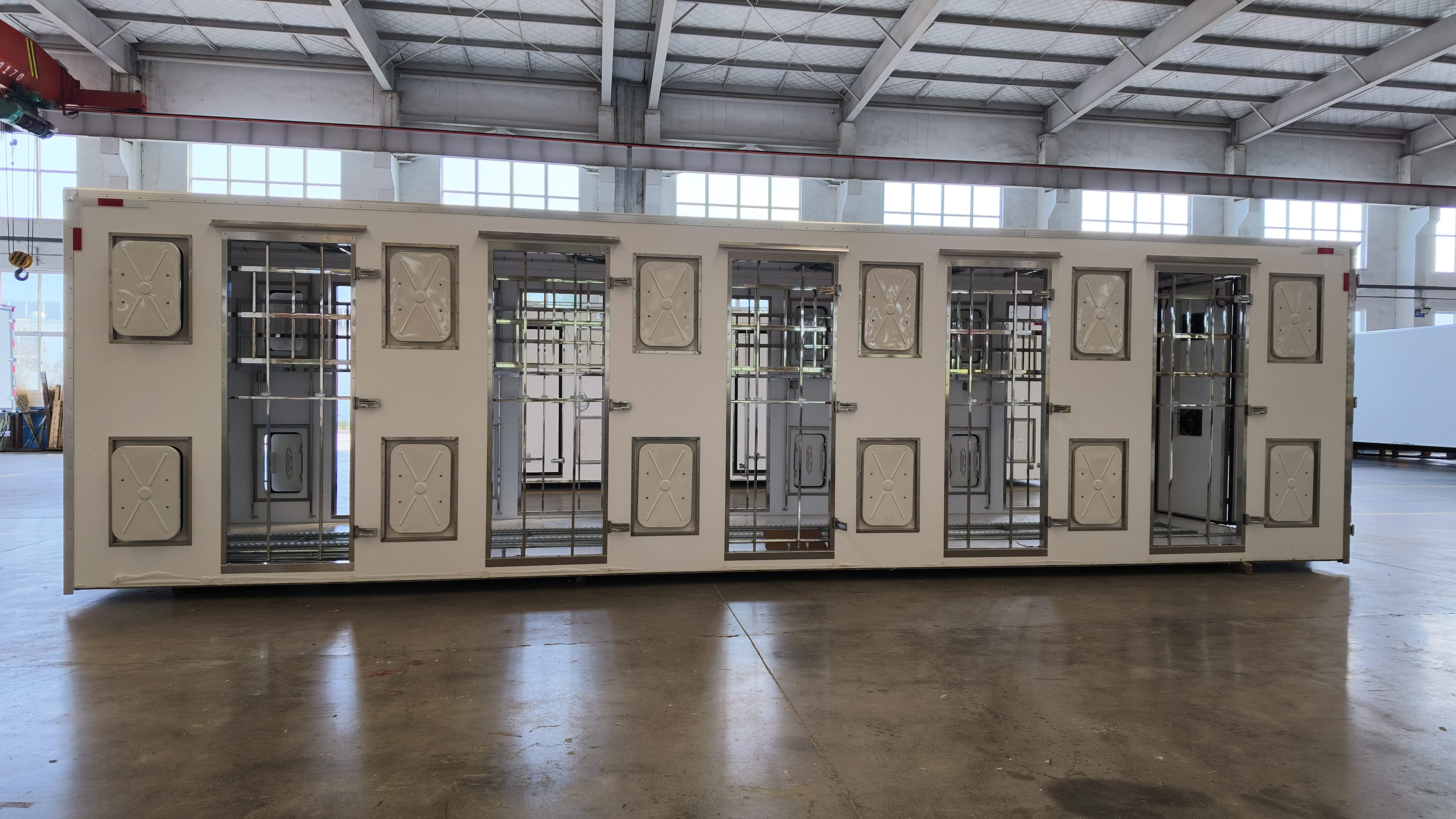
A step-by-step method for calculating chick boxes per truck, keeping airflow lanes open, and avoiding the overloading mistakes that cause heat stress.
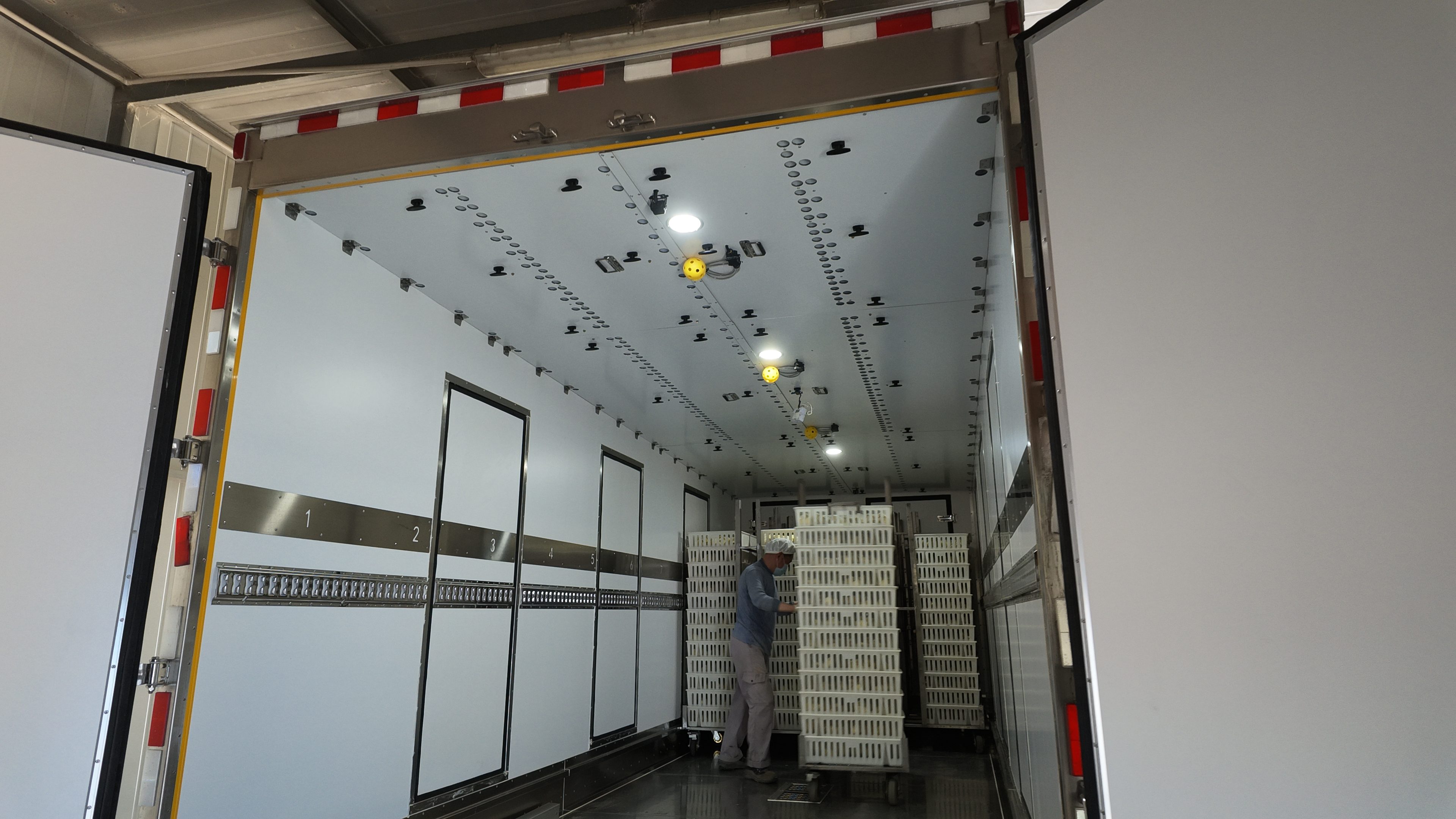
The main causes of heat stress in chick transit, the early warning signs, and the practical fixes from loading pattern to truck selection.
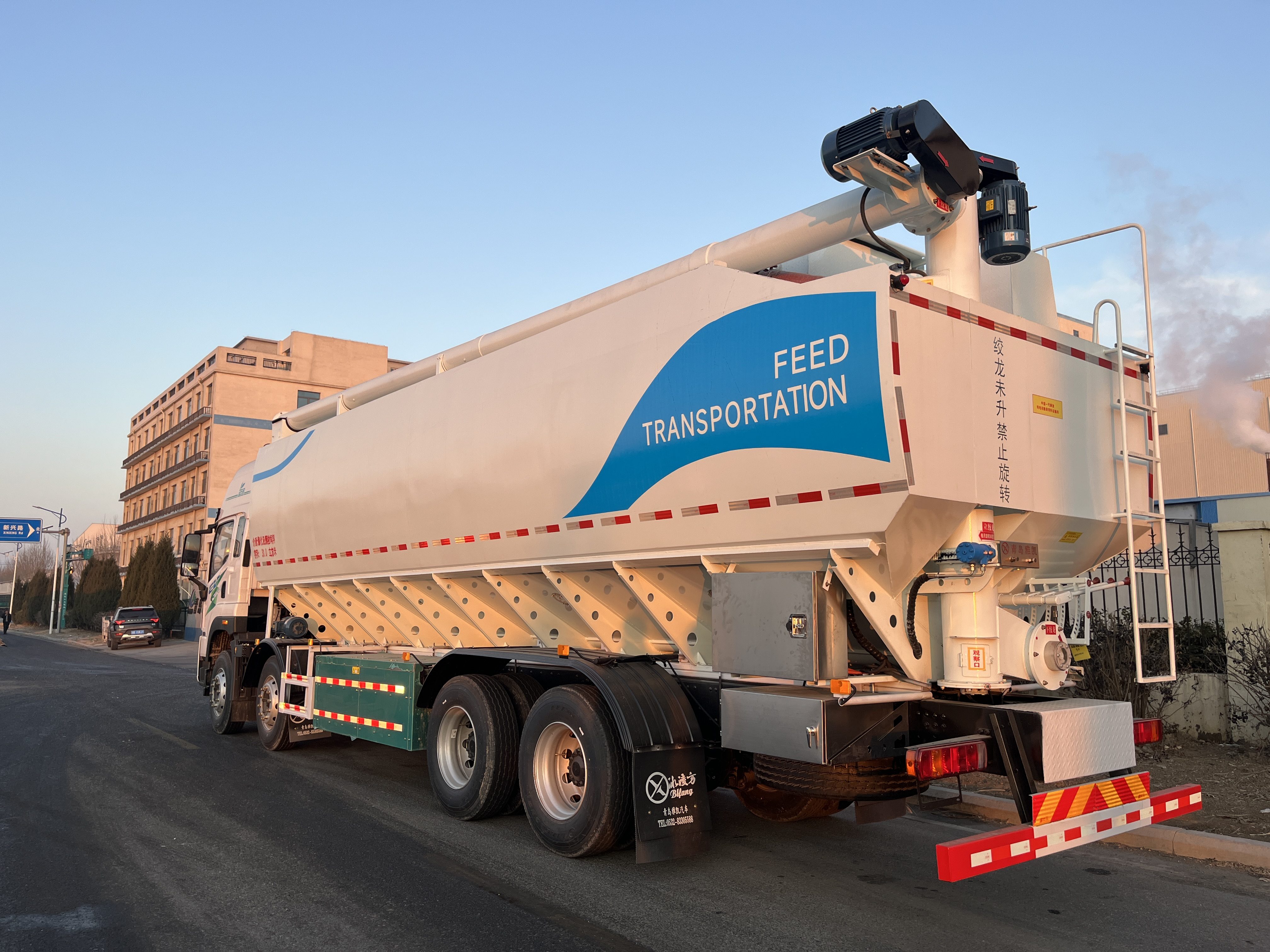
Axle load rules decide how much feed a truck can legally carry. Learn how payload allowance, centre of gravity and compartment filling interact.
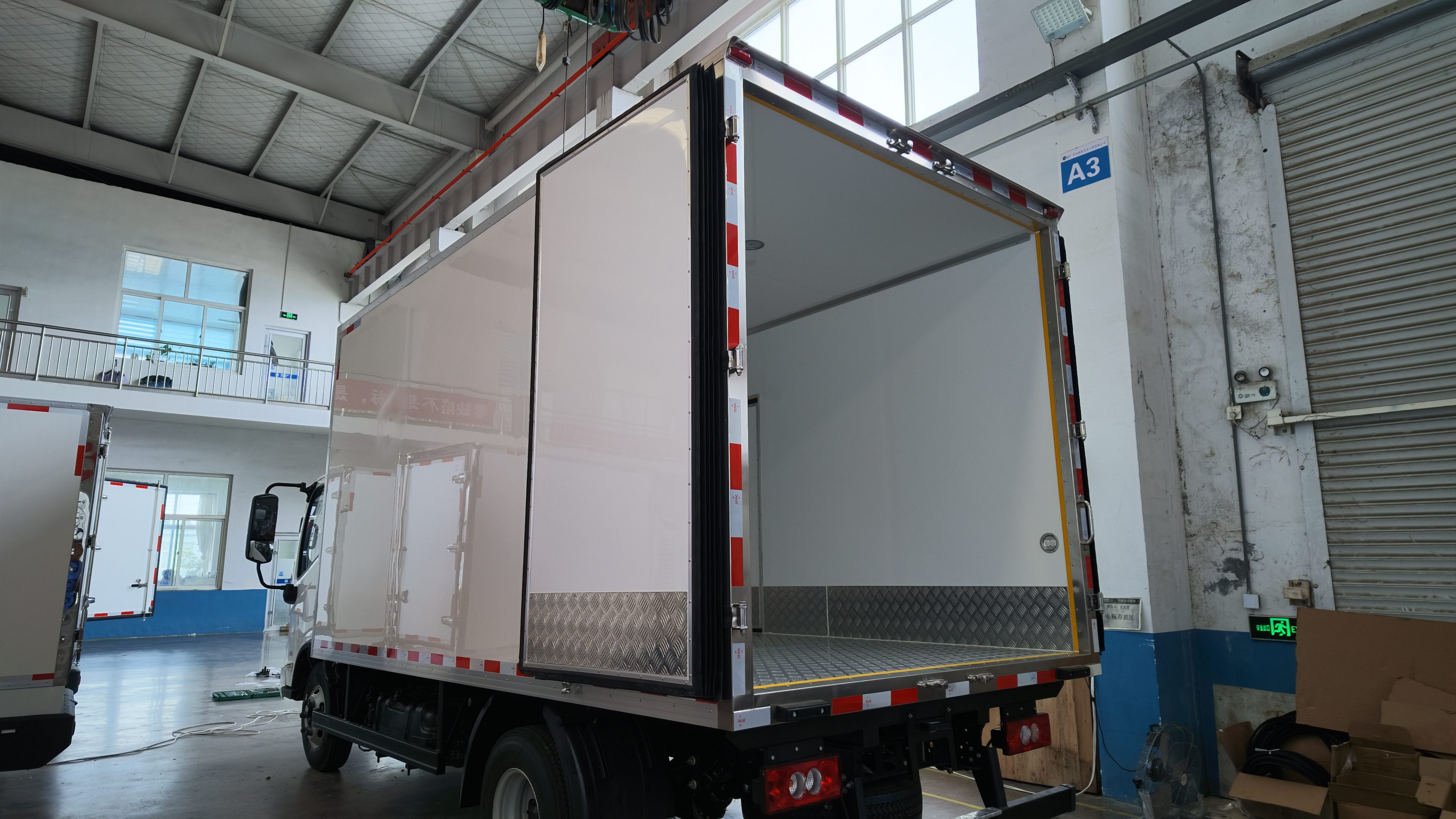
Rear-only, side access and multi-temperature layouts each trade loading speed against cold loss. Here is how to pick for your route.
Scan the QR code with WeChat

WeChat ID: lengcangcheX
No products in inquiry cart.