
Fiberglass Refrigerated Truck Bodies: A Smart Investment for Cold Chain Logistics
Fiberglass Refrigerated Truck Bodies: A Smart Investment for Cold Chain Logistics
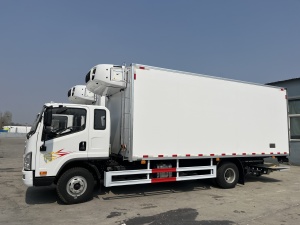
In the cold chain logistics industry, the body of a refrigerated truck is more than just a box — it is the critical barrier between temperature-sensitive cargo and the outside environment. Among the available construction materials, fiberglass-reinforced plastic (FRP) bodies have become the preferred choice for many operators. Here is why.
What Is an FRP Refrigerated Truck Body?
An FRP refrigerated truck body is constructed using sandwich panel technology: two layers of fiberglass-reinforced plastic form the exterior and interior skins, bonded to a rigid insulating core material. This construction method, known as the dry-bonding sandwich process, creates a seamless, monocoque structure that is both strong and thermally efficient.
The Advantages of FRP Construction
Superior Thermal Performance
The insulating core — typically polyurethane foam or pre-cut insulation board — is fully enclosed by the FRP skins. This "no thermal bridge" design means cold stays inside the cargo compartment and heat stays out, reducing the workload on the refrigeration unit.
Exceptional Durability
FRP is inherently resistant to the harsh conditions of refrigerated transport:
Hygienic and Easy to Clean
Food safety regulations require refrigerated truck bodies to be kept clean and sanitary:
Lightweight for Maximum Payload
FRP sandwich panels offer an excellent strength-to-weight ratio:
FRP vs. Polyurethane Foam-Injected Bodies
There are two common manufacturing processes for refrigerated truck bodies:
| Aspect | FRP Sandwich (Dry Bonding) | Polyurethane Foam Injection |
|---|---|---|
| Process | Pre-cut insulation board bonded to FRP skins under press | Liquid PU injected between skins, foams in place |
| Customization | Highly flexible, ideal for custom sizes | Best for standardized dimensions |
| Seam quality | Excellent with good quality control | Monolithic seamless construction |
| Insulation uniformity | Consistent when well-manufactured | Uniform, fills all cavities |
| Typical use case | Custom-built bodies, special applications | Mass production, standard bodies |
Both processes produce high-quality bodies. The right choice depends on whether you need a custom configuration or a standardized design.
Key Features to Look For
When evaluating an FRP refrigerated truck body, consider:
1. Panel thickness: 80mm is common for frozen transport; 60mm for chilled
2. Floor construction: T-section or corrugated floors with drainage
3. Door seals: Multi-point sealing with cam-lock or hinge-type closures
4. Interior lining: Food-grade, corrosion-resistant surface
5. Refrigeration unit compatibility: Proper mounting provisions
Applications
FRP refrigerated truck bodies serve a wide range of industries:
Conclusion
An FRP refrigerated truck body represents a long-term investment in cold chain reliability. The combination of thermal efficiency, durability, corrosion resistance, and weight savings makes it a cost-effective choice over the vehicle's service life. Whether you operate a single truck or a fleet, choosing well-constructed FRP bodies will help protect your cargo and your reputation.
6 Practical Tips to Reduce Chick Mortality During Long-Distance Transport
Jun 17, 2026
Hatchery Fleet Buying Guide – How to Choose Chick Transport Trucks in Bulk
Jun 19, 2026
Related Articles
Author

Cybercoldchain
Content Writer
Recent Posts
-
Hydration and Ventilation Balance in Day-Old Chick Transport
Sep 14
-
Can Refrigerated Body Panels Be Repaired? FRP Sandwich and Polyurethane Compared
Sep 14
-
Bulk Feed Truck Inspection and Preventive Maintenance Schedule
Sep 12
-
Day-Old Chick Delivery: A One-Page Driver Checklist
Sep 12
-
Biosecurity for Chick Transport Trucks: Cleaning and Disinfection Between Runs
Sep 12