
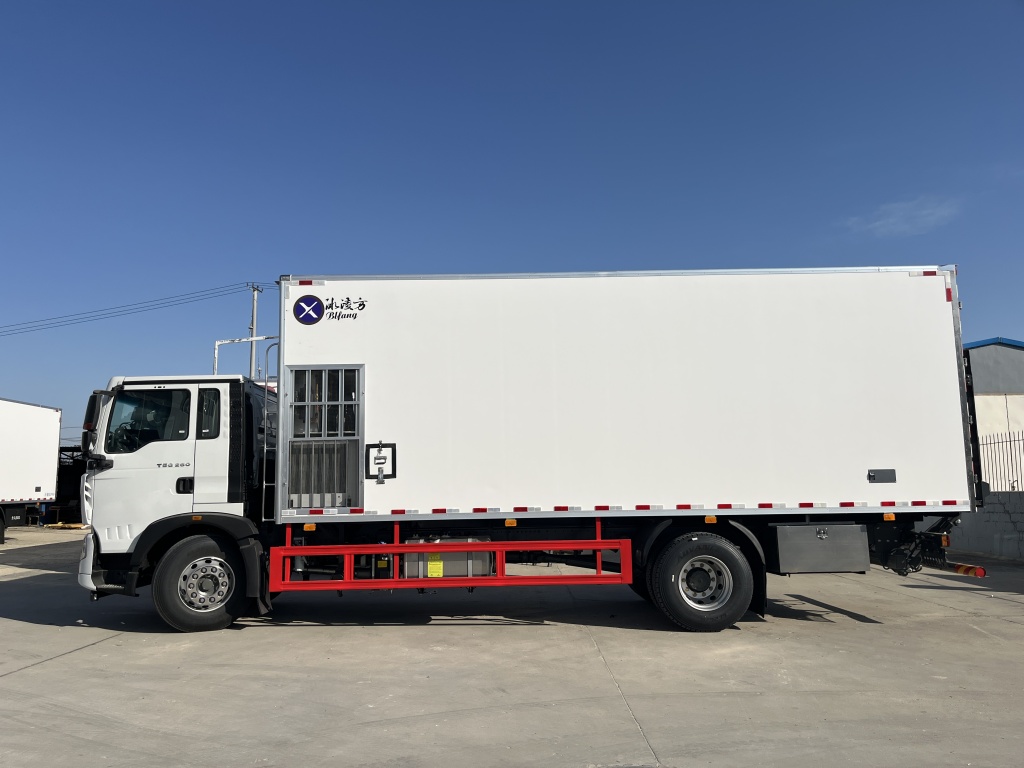
6 Practical Tips to Reduce Chick Mortality During Long-Distance Transport
Reduce mortality during long-distance chick transport with these practical techniques.

**Before Departure**
Pre-cool the cabin to 22-24°C at least two hours before loading. Don't wait until the chicks are on board to start cooling — the heat they release during loading takes time to remove.
Check that no chick boxes will block the ventilation openings. A common mistake: stacking boxes too close to the air inlets, choking off airflow.
**During Loading**
Leave ventilation gaps between chick boxes. Packing too tightly for maximum load saves money upfront but costs you in losses.
Two-tier shelving height matters. If the gap between tiers is too small, heat from the upper boxes radiates down to the lower layer, making temperature control harder.
**On the Road**
With a climate-controlled truck, set the target temperature and let the system handle it. With a ventilated truck, adjust damper openings and fan speed based on outside temperature.
Common mistake: opening all vents to maximum when it's hot outside. More airflow isn't always better. Excess airflow accelerates moisture evaporation from chicks, causing dehydration. Moderate airflow at the right vehicle speed works better than maximum fans.
**During Stops**
Park in the shade if possible. Direct sun on the body wall raises cabin temperature significantly. When checking on the chicks: open mouths and panting mean it's too hot; huddling together means it's too cold.
**On Arrival**
Don't open all doors at once. The thermal shock from rapid temperature change can be more stressful than the entire trip. Open the rear door first, let the temperature equalize for a few minutes, then open the side doors.
Clean the cabin thoroughly after unloading. Leftover down and droppings will affect air quality on the next trip.
New vs Used Chick Transport Truck – Pros, Cons, and Risk Guide
Jun 15, 2026
Fiberglass Refrigerated Truck Bodies: A Smart Investment for Cold Chain Logistics
Jun 18, 2026
Related Articles
Author

Cybercoldchain
Content Writer
Recent Posts
-
Hydration and Ventilation Balance in Day-Old Chick Transport
Sep 14
-
Can Refrigerated Body Panels Be Repaired? FRP Sandwich and Polyurethane Compared
Sep 14
-
Bulk Feed Truck Inspection and Preventive Maintenance Schedule
Sep 12
-
Day-Old Chick Delivery: A One-Page Driver Checklist
Sep 12
-
Biosecurity for Chick Transport Trucks: Cleaning and Disinfection Between Runs
Sep 12