

Essential Features of a Day-Old Chick Transport Truck
Essential Features of a Day-Old Chick Transport Truck
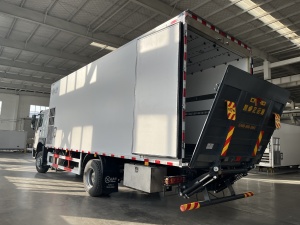
Transporting day-old chicks requires specialized equipment designed with the delicate nature of the cargo in mind. Unlike general freight vehicles, a day-old chick transport truck must maintain optimal airflow, temperature, and safety conditions throughout the journey. Here are the essential features you should look for.
1. Proper Ventilation System
Ventilation is the single most critical feature in a chick transport truck. Day-old chicks produce heat and carbon dioxide during transport, and inadequate airflow can lead to losses.
A well-designed ventilation system includes both passive and active components:
Good ventilation design ensures fresh air reaches every level of the cargo compartment, preventing hot spots and CO₂ buildup.
2. Durable Fiberglass Body Construction
The body material of a chick transport truck directly affects its insulation properties, durability, and maintenance requirements. Modern chick transport trucks use sandwich panel construction with fiberglass-reinforced plastic (FRP) outer skins and a保温 (insulating) core.
This construction offers several advantages:
3. Multi-Door Access for Ventilation and Loading
Easy access to all areas of the cargo compartment is crucial for both loading efficiency and emergency ventilation. Quality chick transport trucks feature:
4. Corrosion-Resistant Interior Fittings
The interior of a chick transport truck is exposed to high humidity, ammonia, and regular washing. Stainless steel fittings are essential for longevity:
5. Flexible Configurations for Different Operations
Every hatchery and logistics company has different requirements. A versatile chick transport truck platform should offer options for:
Conclusion
Investing in a properly equipped day-old chick transport truck is essential for hatcheries and livestock logistics companies. A truck with robust ventilation, durable fiberglass construction, and flexible configuration options will serve your operation reliably for years, helping ensure that every delivery arrives with healthy, vigorous chicks.
For specific model options and detailed specifications, consult with a reputable manufacturer who understands the unique requirements of poultry transport.
Climate-Controlled vs Standard Chick Transport Truck – Complete Guide
Jun 1, 2026
5 Key Features to Check Before Buying a Chick Transport Truck
Jun 3, 2026
Related Articles
Author

Cybercoldchain
Content Writer
Recent Posts
-
Hydration and Ventilation Balance in Day-Old Chick Transport
Sep 14
-
Can Refrigerated Body Panels Be Repaired? FRP Sandwich and Polyurethane Compared
Sep 14
-
Bulk Feed Truck Inspection and Preventive Maintenance Schedule
Sep 12
-
Day-Old Chick Delivery: A One-Page Driver Checklist
Sep 12
-
Biosecurity for Chick Transport Trucks: Cleaning and Disinfection Between Runs
Sep 12