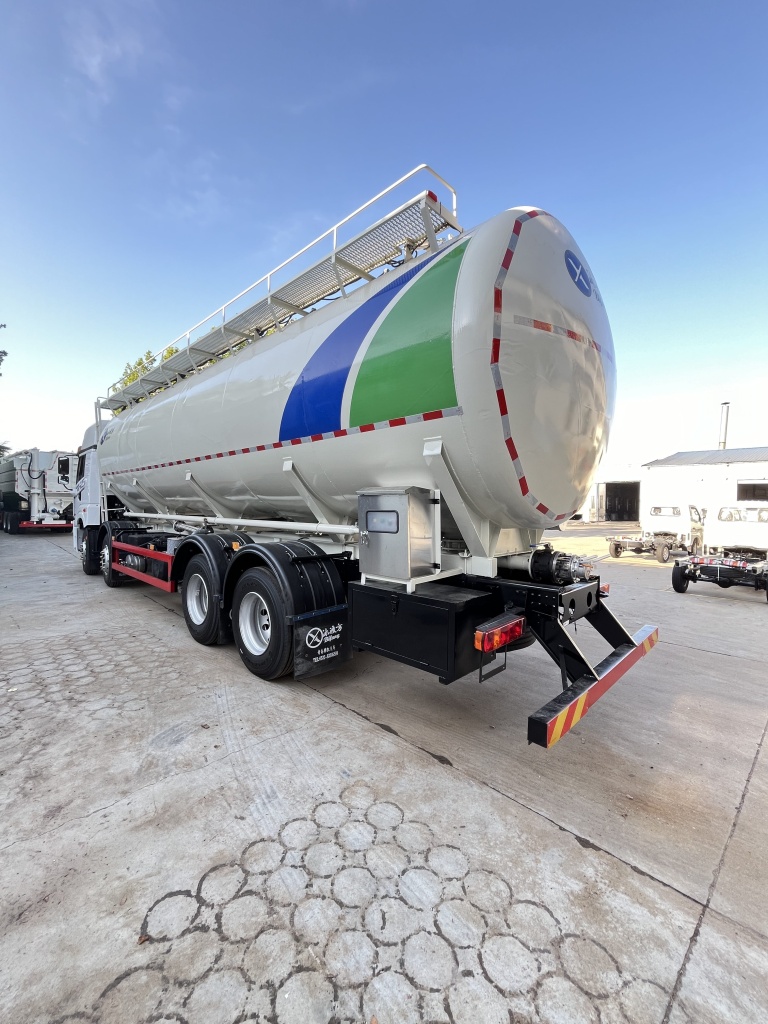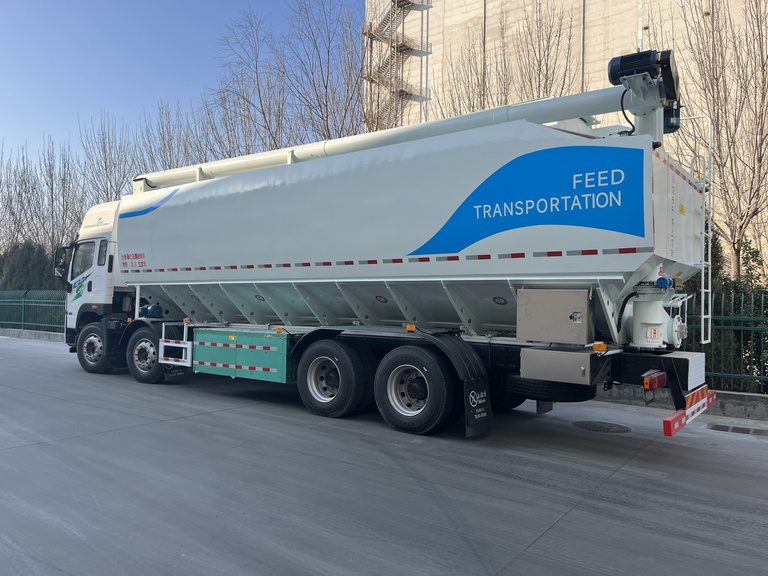
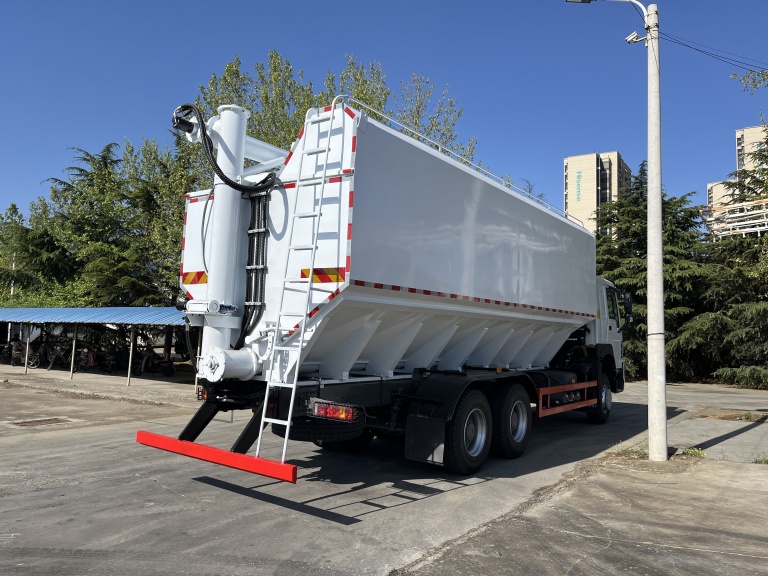
GMP+ and FAMI-QS: Is Transport the Weak Link in Feed Safety?
Mills are audited to the last screw. The bulk trailer in between often gets far less scrutiny, and that gap has consequences.
When drivers are scarce and farms will only receive in a two-hour window, something has to bend. Usually it is the schedule's...
Sensors are cheap until you count the installation, calibration and attention they demand. Does bin-level data actually pay?
Every fleet suspects it loses feed between mill and bin. Very few can put a number on it, and that is the...
Purchase price is the most visible cost and the least informative. Depreciation decides whether a feed fleet makes money.
One compartment, three species and a medicated premix: segregation looks simple on paper and fails in the yard.
Wet-season feed delivery fails slowly: a little condensation, a little caking, and a customer complaint three weeks later.
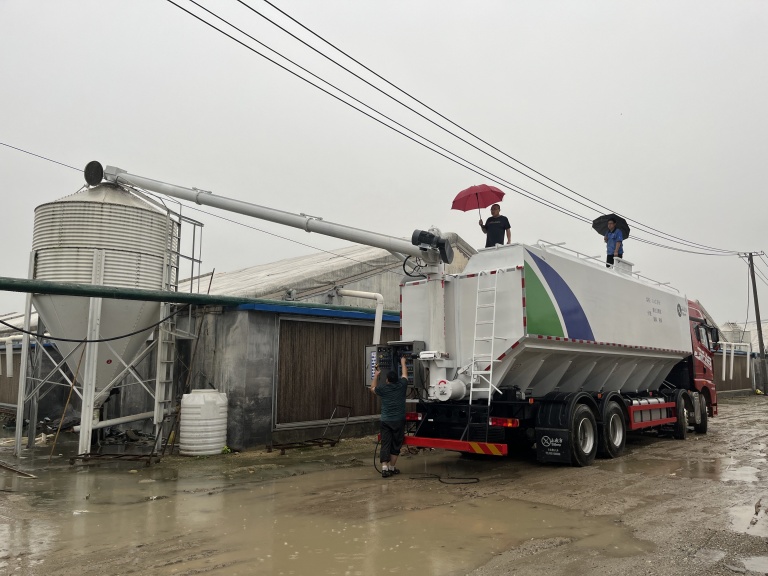
Weighing, recording and invoicing are nearly automated. The last metre into the bin still depends on a person with a hose.
Floating pellets, fragile extrudates and humid coastal air make fish feed one of the least forgiving cargoes in bulk transport.
Scan the QR code with WeChat
WeChat ID: lengcangcheX
No products in inquiry cart.