
CO₂ in Chick Trucks — Why 3000 PPM Is the Number to Remember
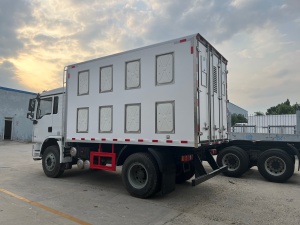
Chicks breathe. A lot. Pack 624 trays of them into a closed truck and CO₂ builds up fast. At high concentrations, chicks get lethargic, start dehydrating, and in bad cases you can lose the whole load.
The ECU monitors CO₂ in real time. When it hits 2800 PPM, the system opens the fresh air intake. At 3000 PPM, it's actively managing the mix. If it reaches 3500, an alarm goes off — both a buzzer and a red light. The driver can't miss it.
A bag-type filter catches down feathers before they can clog the ventilation. The differential pressure sensor tells you when the filter needs cleaning, usually after each trip.
Specifications
- Sensor: Built-in, real-time CO₂
- Safety limit: ≤3000 PPM (starts adjusting at 2800)
- Alarm: >3500 PPM — red light + buzzer
- Action: Auto fresh air intake
- Circulation: Switches internal/external automatically
- Also monitors: Humidity, differential pressure, 6-point temp
- Display: Real-time PPM on the touchscreen
- Filter: Bag-type, catches down feathers
Key Features
- Real-time CO₂ reading — you always know where it's at
- No driver intervention needed; the ECU handles it
- 3000 PPM threshold is based on real poultry transport experience
- 3500 PPM alarm is impossible to ignore
- Intelligent circulation saves energy when CO₂ is under control
- Feather filter keeps the ventilation system from clogging
- Filter change indicator prevents you from forgetting
- CO₂ data is logged and can be shared with customers or inspectors
Applications
All constant temp chick trucks. Most critical on long hauls (8+ hours), high-density loads (624 trays), and export routes with border stops.
Constant Temp Chick Truck Maintenance — What You Actually Need to Do
May 17, 2026
Winter Chick Transport — How the Fuel Heater System Works
May 20, 2026
Related Articles
Author

Cybercoldchain
Content Writer
Recent Posts
-
Hydration and Ventilation Balance in Day-Old Chick Transport
Sep 14
-
Can Refrigerated Body Panels Be Repaired? FRP Sandwich and Polyurethane Compared
Sep 14
-
Bulk Feed Truck Inspection and Preventive Maintenance Schedule
Sep 12
-
Day-Old Chick Delivery: A One-Page Driver Checklist
Sep 12
-
Biosecurity for Chick Transport Trucks: Cleaning and Disinfection Between Runs
Sep 12